


The Role of PLCs in Industry 4.0 Manufacturing
In this article:
- What a PLC Does on the Factory Floor
- What Industry 4.0 Means for Manufacturers
- How PLCs Support Connected Manufacturing
- Challenges When Connecting Existing PLCs
- What Comes Next for PLCs in Industry 4.0?
- Plan Your Next Step with CJS Automation
Industry 4.0 brings machinery, production information and business systems closer together. For manufacturers running older equipment, this raises a practical question: how do existing controls fit into a more connected factory?
Programmable logic controllers, or PLCs, play an important role. Beyond controlling machinery, PLCs can provide valuable operational data that helps teams understand performance, investigate faults and plan improvements.
Understanding what your existing PLCs can support is a useful first step when reviewing machinery or planning upgrades.
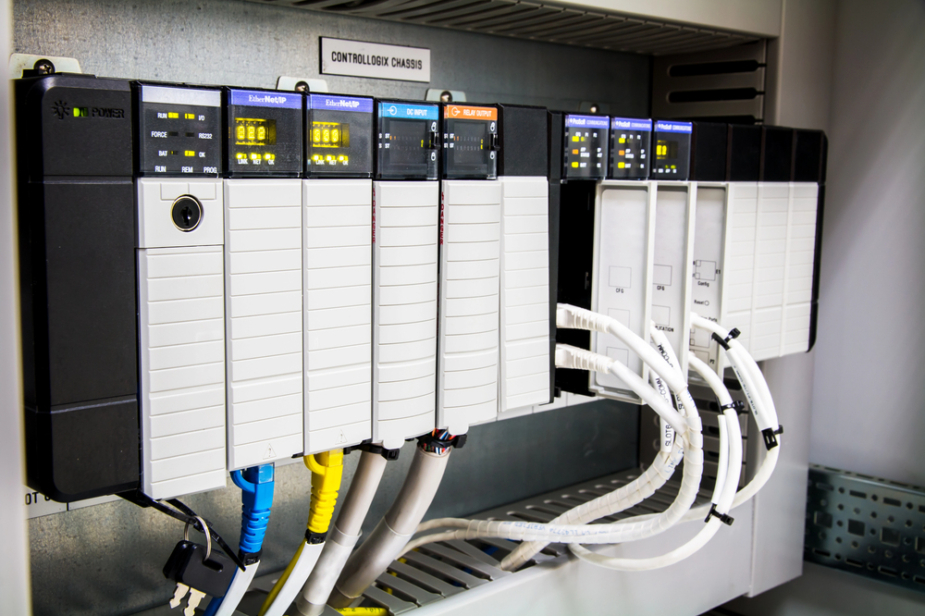
What a PLC Does on the Factory Floor
A PLC is an industrial computer that controls machinery. It receives signals from sensors and switches, follows programmed instructions, then sends commands to devices such as motors and valves.
For example, on a conveyor, a sensor might detect a package. The controller uses that signal to stop movement, activate a sorting mechanism or begin another sequence.
Designed for industrial environments, PLCs carry out these tasks repeatedly and consistently.
For a more in-depth understanding, read our guide “What is a PLC System?”
What Industry 4.0 Means for Manufacturers
Industry 4.0, also known as the fourth industrial revolution, connects physical equipment with digital systems to improve production monitoring and management.
It combines technologies such as industrial sensors, data analysis, cloud computing and artificial intelligence. Together, these help businesses see how individual processes affect the wider operation.
A maintenance manager could review an equipment fault alongside its effect on output. Production planners might use current machine status to adjust schedules before delays build.
The value comes from applying that information to specific needs, such as reducing stoppages, improving quality, or shortening changeovers.
How PLCs Support Connected Manufacturing
PLCs already handle many signals needed to understand machine behaviour. With the right connections and software, this data can be shared with monitoring and management systems.
Making Production Data Easier to Use
Cycle counts, operating states and alarm records can reveal problems that daily production totals overlook. Sharing selected measurements with monitoring software gives engineers a clearer view of when and where interruptions occur.
Repeated brief conveyor stops, for instance, might point towards a sensor issue even when overall output remains acceptable. Start with measurements that answer a useful question, then expand as needed.
Coordinating Automated Production Tasks
Controllers manage machine sequences and respond to changing conditions. Linking them with production systems can also help align operating settings with scheduled work.
A packaging line could receive an approved product recipe containing conveyor speeds and other parameters. Operators can oversee the changeover while spending less time entering settings manually.
This supports flexibility where equipment handles several products or batch sizes.
Sharing Information Between Different Systems
Manufacturing sites often use equipment from several suppliers. Compatible communication protocols help these devices exchange information with monitoring and management software.
OPC UA provides one established route. Siemens’ guidance describes how supported controllers can share process measurements and diagnostic information with other applications.
Before connecting equipment, check protocol support, licensing and configuration requirements. These details determine what can be exchanged and how much integration work will be needed.
Supporting Predictive Maintenance Decisions
Operating hours, fault histories, and changing process values can contribute to predictive maintenance. With appropriate condition sensors and analysis tools, these records help engineers spot signs of deterioration.
Collecting readings alone will not predict a failure. Teams need to understand which changes matter and when intervention becomes necessary.
Our article on How Spare Parts Support Predictive Maintenance considers how preparing replacement components helps turn those findings into timely maintenance.
Challenges When Connecting Existing PLCs
Older controllers may have limited communication options or processing capacity. Programming tools and technical support can also be harder to find, making integration more complex.
Hardware availability is another consideration when planning upgrades. If a PLC or associated module is approaching the end of its supported life, finding compatible replacement parts may become more difficult. Checking component availability early can help maintenance teams plan repairs, retain suitable equipment and avoid unnecessary disruption.
Gateways can connect established equipment to newer software. However, their suitability depends on the controller, available interfaces and intended application.
Network design deserves equal attention. Additional access routes require controlled permissions and appropriate separation between systems. Data collection must also avoid placing excessive demands on machinery controls.
A focused trial offers a sensible starting point. Choose one problem, confirm what information you need and assess whether existing hardware can provide it reliably. This helps establish the likely benefit before committing to a larger project.
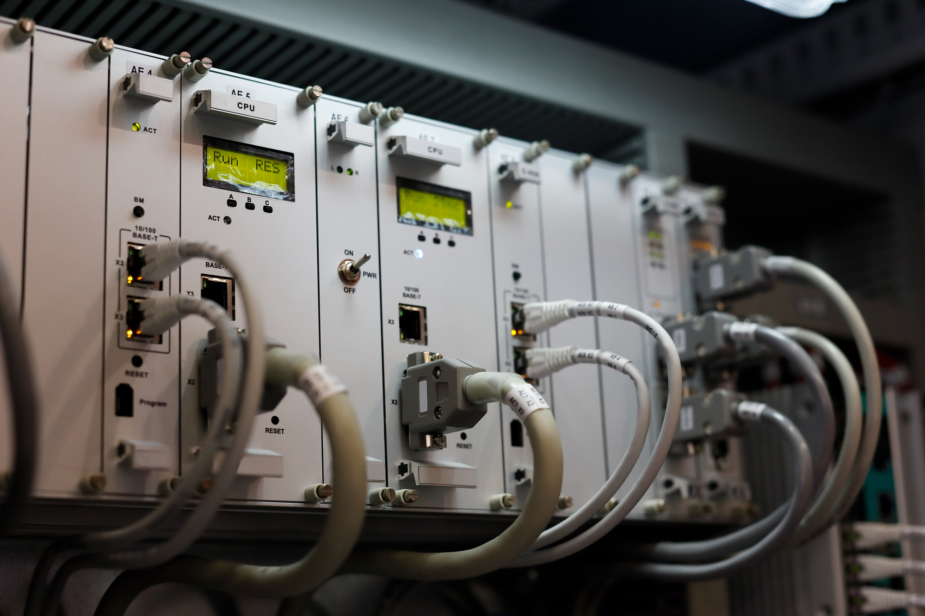
What Comes Next for PLCs in Industry 4.0?
PLCs are likely to become more closely integrated with diagnostic software and tools that process information near machinery. Local analysis can help teams respond promptly while passing selected results to wider business systems.
As capabilities develop, choosing equipment will involve more than comparing features. Support life, compatibility and access to engineering skills will remain important purchasing considerations.
For established installations, progress can happen gradually. Reviewing individual limitations allows businesses to prioritise changes around production needs and planned shutdowns.
Plan Your Next Step with CJS Automation
At CJS Automation, we supply PLC system parts for current and established installations. We also offer repair and exchange services to help you address faults and extend the life of existing equipment.
Whether you need a replacement component, support with a faulty unit or parts for a planned upgrade, contact our team with your part numbers and requirements. We can help you explore suitable options and organise the next step around your production and maintenance needs.





 GB
 US
 DE
 DK
 ES
 FI
 FR
 IT
 NL
 NO
 PT
 SE