Siemens Automation Parts
Yaskawa Automation Parts
Omron Automation Parts
Schneider Electric Automation Parts
B&R Automation Parts
Mitsubishi Electric Automation Parts
Fanuc Automation Parts
Leroy-Somer Automation Parts
Allen-Bradley Automation Parts
ABB Automation Parts
Pepperl+Fuchs Automation Parts
Pilz Automation Parts
Plus parts from over 100 other manufacturers
About Us
Reduce Your Search Time
Parts Identification Service
We Will Buy Your Parts
Sell Your Parts Online
Got a Question?
Let's Talk
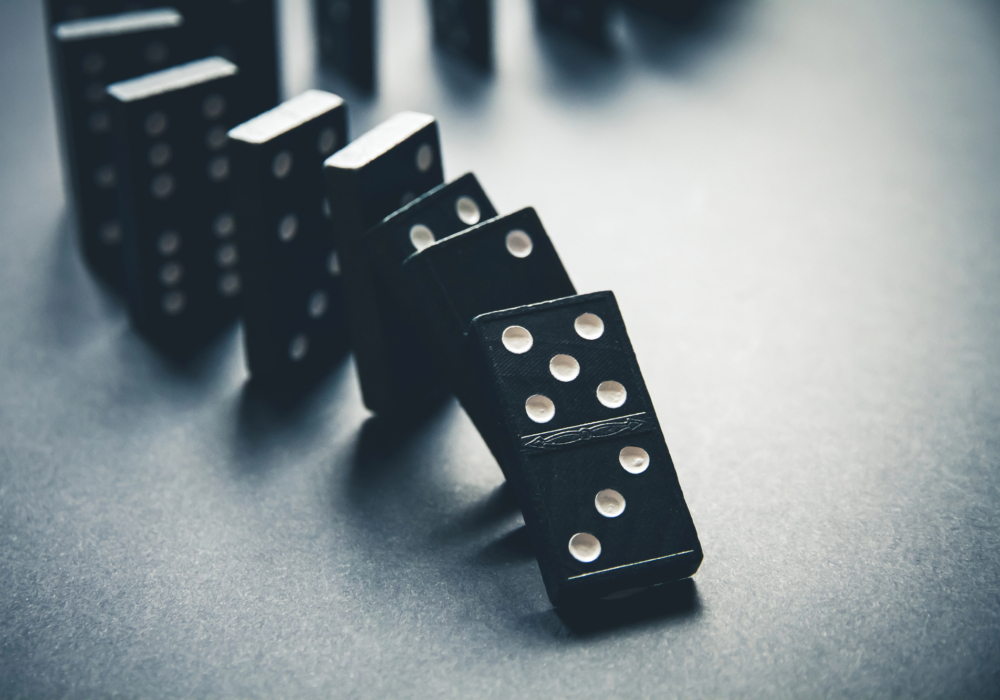
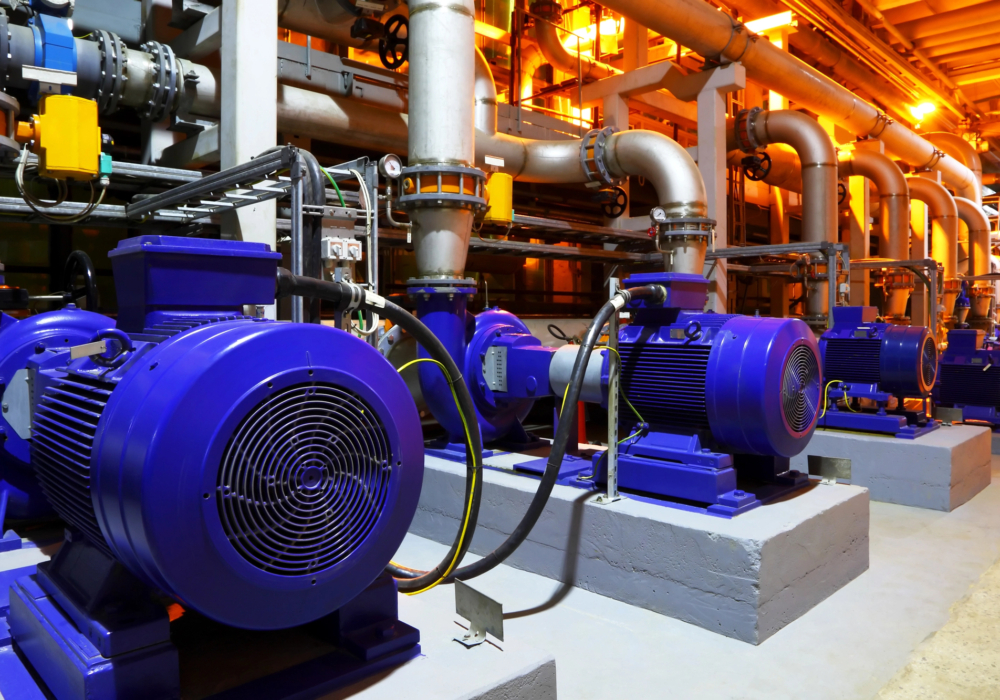
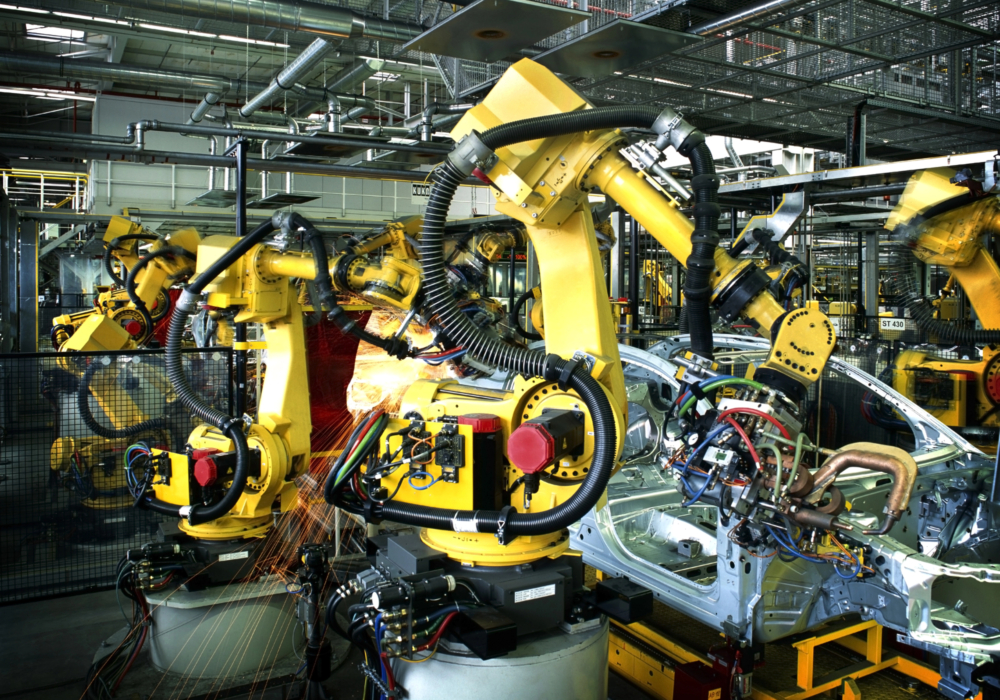
One failed component can bring far more than a single machine to a standstill. Across a production line, each stage relies on the next to supply materials, process products, or move finished goods. When that flow breaks, disruption can spread quickly.
When a part is described as discontinued, it means the manufacturer has stopped producing it and no longer supplies it through standard channels. At this point, availability becomes limited and often unpredictable. Over time, many discontinued components move further into what is known as obsolete status, where sourcing becomes increasingly specialised.
If you spend enough time around industrial systems, you begin to recognise that no component remains available forever. Every automation part follows a path from introduction through to eventual withdrawal, and understanding that path is essential for anyone responsible for maintenance or procurement.
The Part Failure Downtime Domino Effect
ABB Tmax T5, T6 and T7: Your 2026 Availability Update
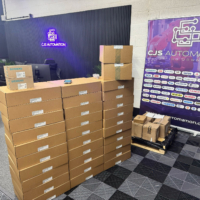
CJS Automation Moves Into Its New Office
How to Find Discontinued Automation Parts
10 Weeks to 4 Days: Parts for a US Manufacturer
Clearer Equipment Monitoring for French Pharmaceuticals
Quickly Sourcing a PLC That’s Been Obsolete for Over Ten Years
Flying to Singapore to Restore A Food Production Factory
Choose Country
Ajax Modal
Speak to our team now, or message our dedicated emergency WhatsApp line, available 24 hours a day, 365 days a year.







 GB
GB  US
US  DE
DE  DK
DK  ES
ES  FI
FI  FR
FR  IT
IT  NL
NL  NO
NO  PT
PT  SE
SE